1. Traditional Dishes that Brighten a Sacred Season—and Today’s Challenges

In Southeast Asia, many countries have large Muslim populations. Indonesia is one of them, with Muslims making up around 90% of the population. In Indonesia, the most important religious holiday is Lebaran.
Lebaran is a joyful celebration marking the end of Ramadan, the month-long period of fasting in Islam. In 2026, Lebaran falls on March 21 and 22, and many Indonesians take an extended break around these dates. A lot of people use the holiday to travel back to their hometowns, looking forward to reuniting with family, relatives, and friends.
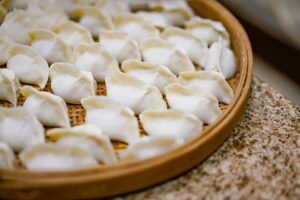
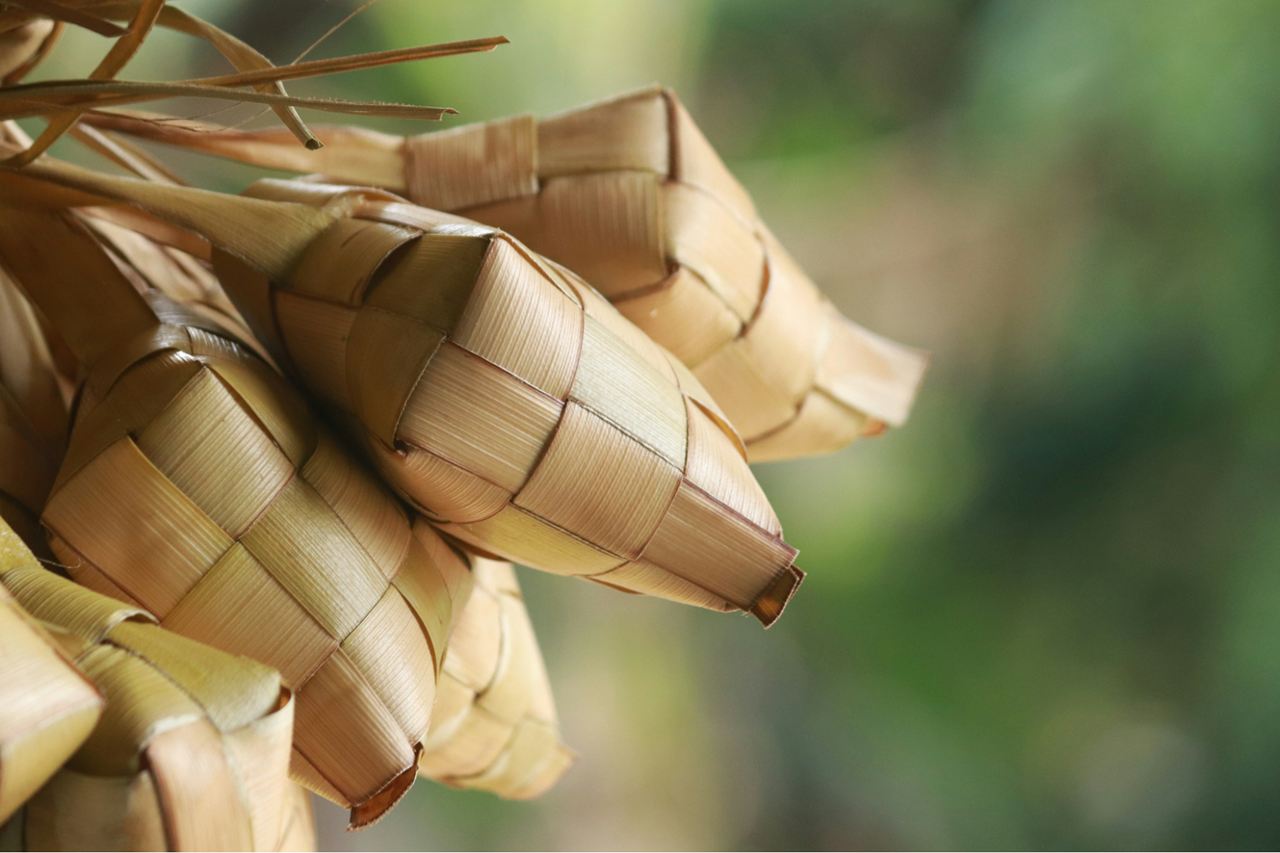
On those reunion tables, you’ll find many traditional festive dishes prepared in advance—often by women in the family—over several days to welcome guests. Examples include ketupat, rice packed into woven palm-leaf pouches and boiled; rendang, a richly spiced beef or chicken dish slow-cooked for hours with coconut milk and seasonings and sometimes called one of the world’s most delicious foods; and nastar, cookies filled with pineapple jam that are a must-have for celebrations.
But preparing these dishes takes a great deal of time and effort. In Indonesia in particular, women’s workforce participation has continued to rise year by year, making it harder to sustain homemade flavors and traditional food culture. This is the dilemma many Asian households face: balancing “tradition” and “efficiency.” And the key to resolving it can be found in Japanese food processing technology.
2. Turning Customers’ “Ideal” into Reality: A Japanese Food Machinery Maker’s Hands-On, Customer-Centered Approach
This is one of the Japanese companies that has supported the automation of food production in Asia and many other regions. By carefully understanding what each customer considers the “ideal taste,” the company has consistently brought that vision to life through its own technologies.
That’s because their equipment doesn’t simply boil, stir-fry, or cool. Backed by 115 years of experience and the latest R&D, they go deeper—identifying the key conditions that answer a single question: What makes food truly delicious?
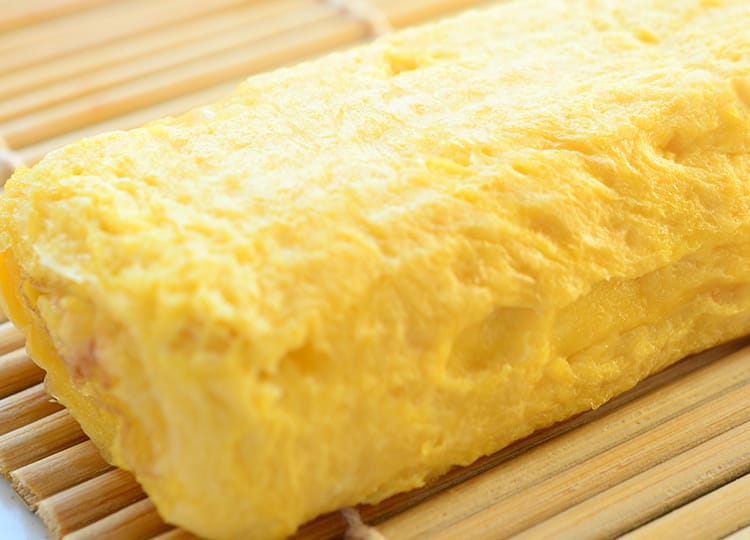
One example involved a customer from Thailand who came in, showed a single photo of tamagoyaki (Japanese rolled omelet) on their smartphone, and said, “I want to make the tamagoyaki I ate in Japan using your egg-cooking machine.” Even the team at Shinagawa Machinery Works found themselves momentarily unsure where to begin.
The reason is simple: in Japan, “tamagoyaki” isn’t just one thing. There are three main styles—a savory version, a sweet version, and dashimaki, which is made with dashi stock. On top of that, the ideal size, thickness, and even how many pieces it’s cut into all affect the detailed temperature and time settings. And of course, the customer’s “perfect tamagoyaki” existed only in their mind.
So the person in charge first served samples made from three standard recipes. Using those as a starting point, they worked closely with the customer to pinpoint what “delicious” meant for them—what seasoning they wanted, what texture felt right—drawing on years of hands-on experience to uncover the customer’s exact preferences.
But defining the customer’s ideal is only the first step. Unless it can be reproduced reliably, it remains just an idea.
Shinagawa Machinery Works’ unique technology is what makes that level of precision possible—consistently.
3. Recreating “Deliciousness” Through Science
What sets Shinagawa Machinery Works apart is its ability to translate a customer’s “ideal” into precise physical movement—and then verify, scientifically, that those movements truly deliver the intended taste and texture.
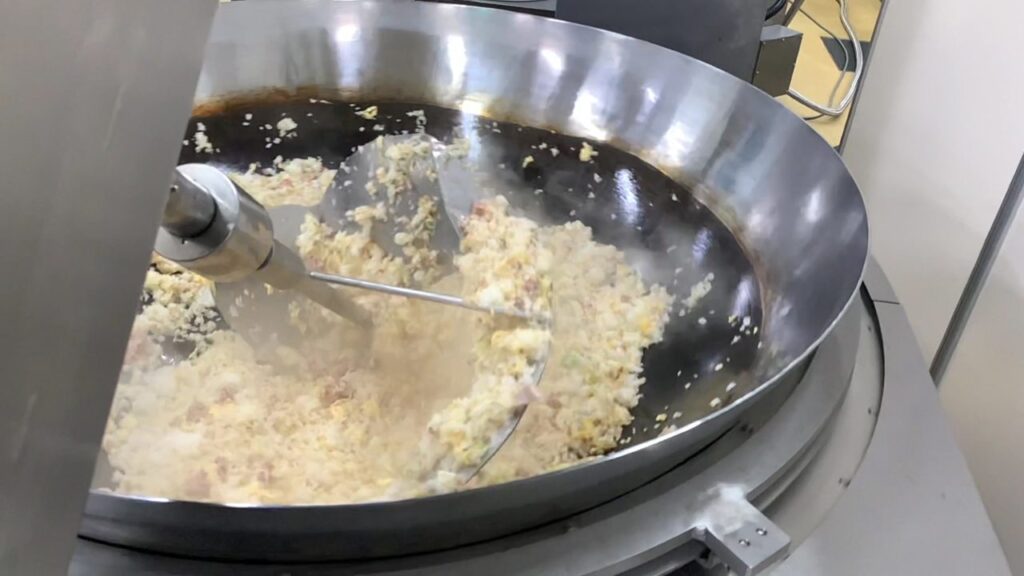
One of the most iconic examples is the “wok-toss stir-fry machine,” developed by closely observing the kitchens of great Chinese restaurants. They built prototype after prototype, adjusting the angle and size of the paddles so ingredients would lift and tumble through the air—much like a chef’s wok-tossing technique—while pursuing the optimal trajectory. They also refined the shape and thickness of the iron wok itself, boosting heat transfer to more than twice that of conventional designs. By driving off excess steam and concentrating umami, the machine achieves the ideal texture.
Their heating mixer takes a similarly thoughtful approach. The mixing blades are designed in a clean, simplified shape—stripped of anything unnecessary—so ingredients can be stirred without being crushed. This also enables uniform mixing in about one-tenth of the time previously required.
They applied the same thinking to their in-house vacuum cooler, too. Instead of cooling with airflow, they chose a different method: controlling air pressure. In a vacuum environment, moisture in the food rapidly evaporates, allowing it to pass through the temperature range where bacteria can easily multiply in just a few minutes. In joint research with a university, it was demonstrated that compared with conventional airflow cooling, this method reduces drying and oxidation—helping preserve the freshness and taste of food as if it were just made.
In short, they don’t simply mechanize actions like “stir-frying” or “cooling.” By studying and analyzing the physical and scientific effects those processes have on food, they develop equipment that can boil, stir-fry, and cool in a way that keeps food genuinely delicious.
4. Diverse Production Lines Supporting Food Culture Across Asia
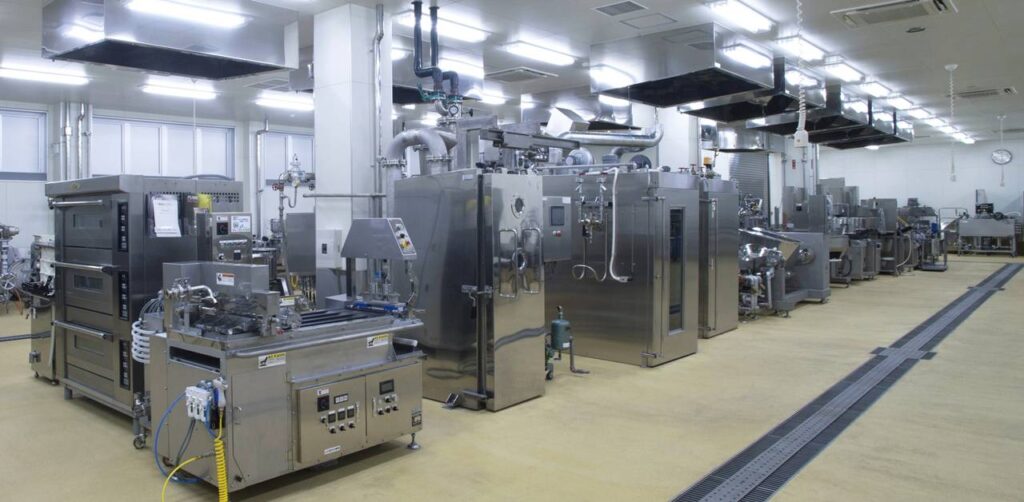
Japanese food processing equipment has been integrated into food factory lines across Asia, supporting the production of a wide range of food categories. The results can be seen in many different applications.
- Stir-frying: fried rice, yakisoba, stir-fried vegetables, mapo tofu
- Simmering: curry, stew, simmered prepared dishes
- Steaming: steamed buns, shumai, boiled eggs, roast beef
- Mixing: dressings, mayonnaise, oyster sauce
- Heating and mixing: custard, chocolate cream, jam, fillings
Their strength, however, goes beyond developing individual machines. They are also trusted by a wide range of users for their ability to design entire production lines, including the processes that come before and after cooking. That trust comes from the know-how they have built up over many years—allowing them to propose the most suitable line design for each customer, as well as the right balance of automation and labor-saving solutions for each stage of production.
At the same time, real food factories face broader and more complex challenges beyond the cooking process itself, including ingredient cutting, packaging, and hygiene control. These are the kinds of on-site challenges that even one excellent company cannot solve alone. And at FOOMA JAPAN 2026, you can find the solutions needed to break through those barriers.
5. FOOMA JAPAN 2026 — Where Individual Technologies Become Synergy
FOOMA JAPAN 2026 is one of the world’s largest comprehensive food processing exhibitions, bringing together Japanese companies involved in food production—companies known for some of the world’s most advanced technologies. The event will be held at Tokyo Big Sight from June 2 to 5, 2026.
This year’s theme is “The Shift is On.” At the venue, you’ll find not only cooking specialists like Shinagawa Machinery Works, but also experts from every stage of the food production process—from raw ingredient processing and packaging to logistics.
What makes FOOMA JAPAN valuable is not simply the chance to find a single machine. Its real value lies in experiencing “FOOMA Synergy”—the way manufacturers with different areas of expertise work together to create total solutions that no one company could provide on its own.
For example, when Shinagawa Machinery Works’ advanced heating technology is combined with another company’s high-performance grinders, vegetable cutters, and the latest automation systems, the result can dramatically transform your factory. At the venue, you can actually see, touch, and experience production lines for all kinds of foods—from gyoza and ramen to onigiri, traditional Japanese dishes, and sweets.
In that sense, Shinagawa Machinery Works’ technology is just the starting point to the vast potential of Japanese food machinery. We invite you to come to Tokyo and discover the ideal partners to help reshape the future of your business.
Share!


Sign up for FOOMA JAPAN newsletter
The freshest news from the food world

Follow us on SNS


Sign up for FOOMA JAPAN newsletter
The freshest news from the food world
Follow us on SNS