1. A Quiet Shift in the Everyday Food Culture of Rice-Loving Southeast Asia
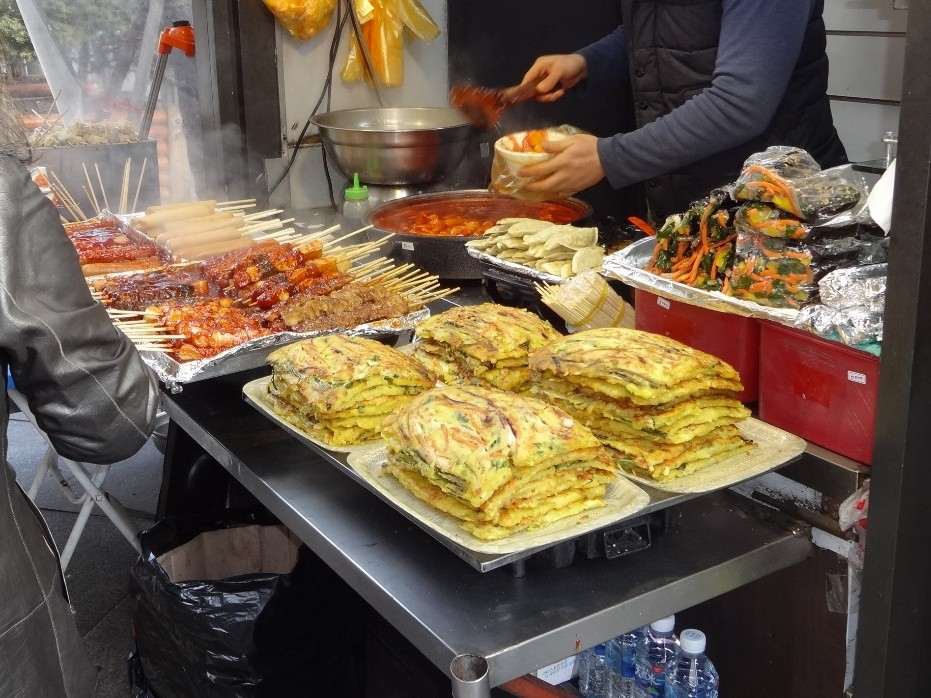
Hanoi, the capital of Vietnam. Even before dawn, the aroma of broth begins to drift through the streets. The star of breakfast, of course, is pho. Its smooth rice noodles pair perfectly with a light, delicate soup.
Or think of bánh xèo, the Vietnamese-style savory pancake made from rice-flour batter and sold at roadside stalls. Or the familiar sight of hands wrapping fresh spring rolls in rice paper. In Southeast Asia, rice is not just a staple food. It is part of the region’s food culture itself. And yet, behind these familiar scenes, a quiet change is taking place.
In Vietnam, as the economy grows, consumers are becoming more conscious of food that is safer, more reliable, and of higher quality. Rice noodles and rice flour were once made using traditional methods in corners of local markets. But as living standards have risen, people have begun seeking products that are more hygienic and more refined in quality.
Traditional food culture is now entering a major turning point.
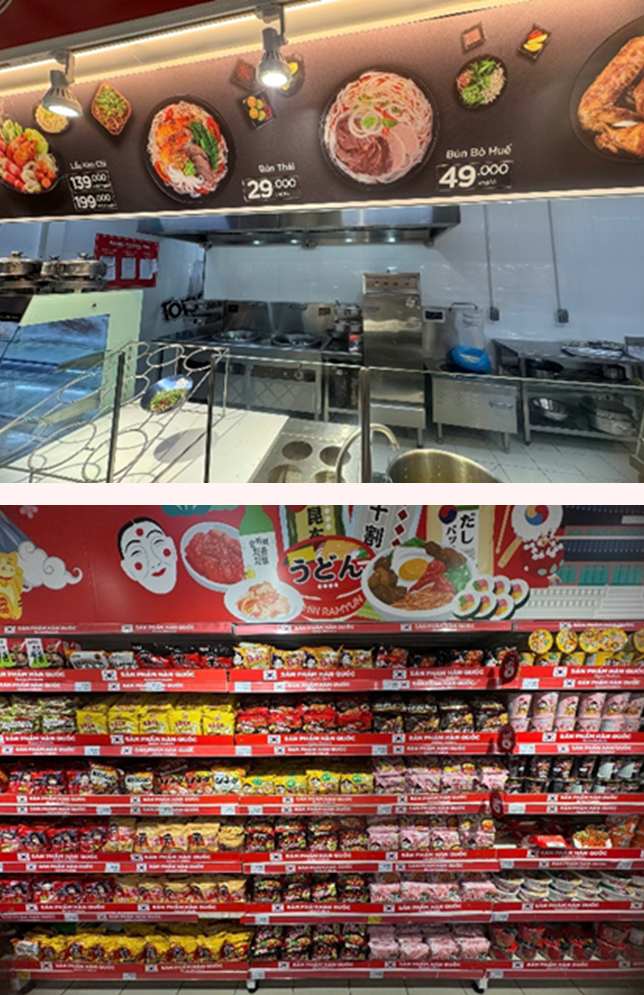
At “Tops Market The Garden,” a large supermarket in Hanoi, Vietnam, there is a food court near the entrance that sells freshly prepared dishes for both dine-in and takeout.
The noodle selection includes seafood yakisoba with teriyaki sauce, Thai-style rice noodles, and Hue-style beef pho. In addition, daily specials such as chicken rice noodles and mixed rice noodles are also available.
In Hanoi, which has a large immigrant population, supermarkets feature dedicated sections for Japanese-style ramen and udon, as well as Korean ramen. Imported udon and spaghetti are also available in the frozen food section. This suggests that local consumers are increasingly seeking not only convenience but also the “deliciousness” of Japanese quality and the cultural aspects of Japanese cuisine.
According to the owner of the local restaurant “Anh Beo Restaurant,” “Among the wide variety of noodles, instant noodles (mì tôm) are the most popular among Vietnamese consumers. People also buy glass noodles, mì chù, rice vermicelli, and pho. In early summer, some people buy fresh rice vermicelli and fresh pho at local markets to cook at home, while others pick up pre-cooked noodle dishes for takeout from delis and restaurants.”
2. Why the World Is Now Looking for “Japan-Grade” Milling Plants
Against this backdrop, a representative of Nishimura Machine Works Co., Ltd., a plant engineering company based in Osaka, explains:
“In recent years, perhaps because there is a growing need for management in larger-scale and cleaner production environments, we have been receiving more and more inquiries from local companies that want to build Japan-grade factories.”
“Japan-grade” refers mainly to the standards set by Japanese food manufacturers operating locally. In Japan, there are clear standards covering such things as measures to prevent foreign matter contamination and materials that must not be used. And as the company explains:
“For local engineers, the safety that comes with these high standards, along with the proof of technical capability that comes from meeting them, has become an important goal.”
When it comes to milling quality, Nishimura Machine Works’ airflow pulverization technology is drawing particular attention.
Japanese milling equipment such as Nishimura Machine Works’ Super Powder Mill meets some of the world’s strictest hygiene standards. More importantly, its precision processing technology preserves the natural flavor of the raw ingredients, giving local rice the potential to be transformed into high-value-added products.
3. Change the Flour, Change Eating Habits: Technology That Minimizes Starch Damage
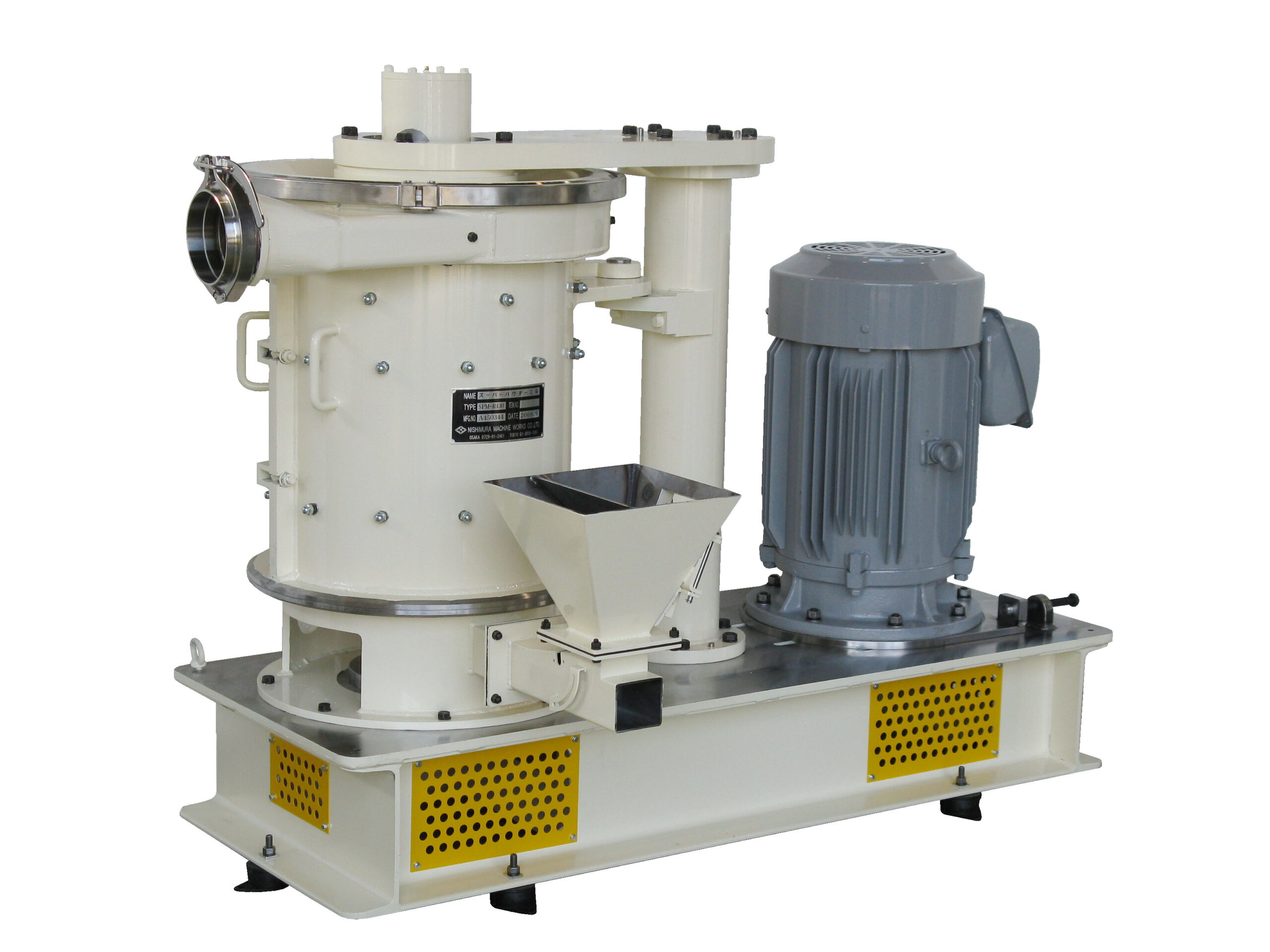
What sets Nishimura Machine Works apart from other companies is its ability to keep starch damage to an absolute minimum.
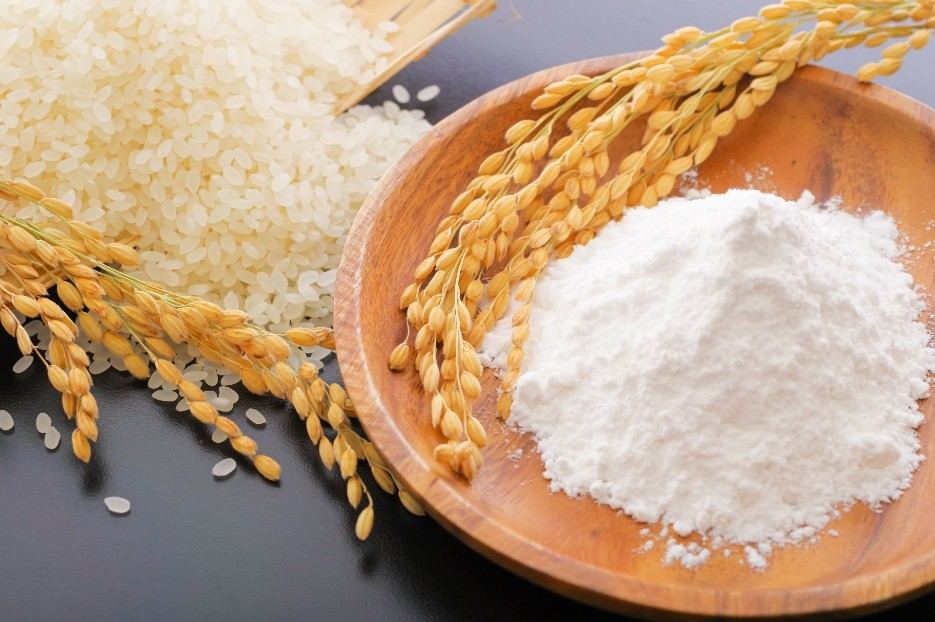
When rice is crushed in a conventional milling machine, the starch granules in the grain are damaged. Rice flour with a high level of damaged starch absorbs too much water, becomes sticky, and performs poorly in finished products—it does not rise well in bread, and it does not give noodles the desired firmness and elasticity. Nishimura Machine Works’ airflow pulverization technology, however, mills the rice by causing the grains to collide with one another in the air, allowing it to be ground into an ultrafine powder without destroying each individual cell. As a result, the starch remains largely undamaged.
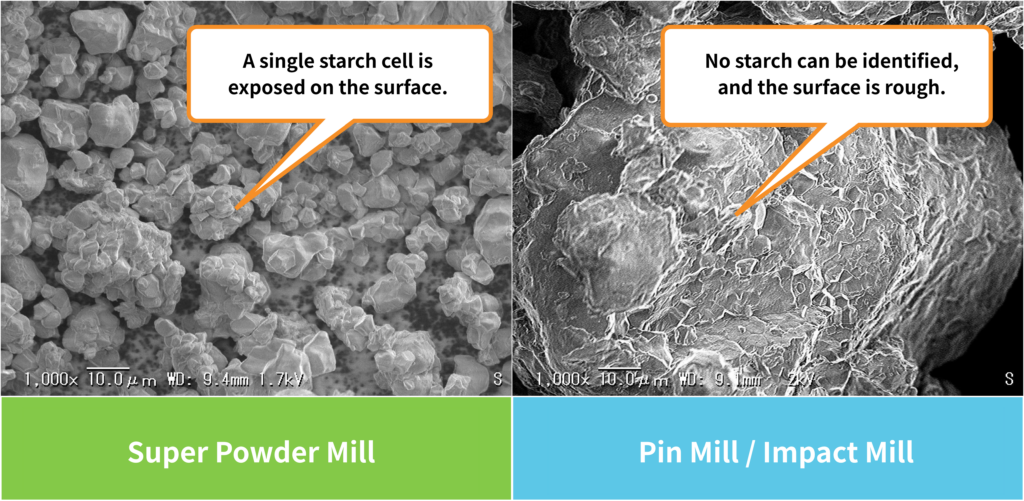
This Japan-quality rice flour could bring about two major changes to dining tables across Southeast Asia.
The first is the upgrading of traditional dishes. Take bánh xèo, for example. With high-quality rice flour, it can be cooked so that it absorbs less oil and comes out crispier and more aromatic. It is often said that Vietnamese consumers, much like Japanese consumers, are highly particular about taste, and even a subtle difference in texture can become a powerful point of distinction in the market.
The second is the creation of entirely new product categories. Rice flour with low starch damage can move into areas long dominated by wheat flour, such as bread and Western-style confectionery. Bread and cakes made from 100% rice flour, as well as noodles made from rice flour, have strong potential to gain popularity in health-conscious urban markets across Asia, since they can be enjoyed without concern over wheat allergies or whether a product is gluten-free.
4. Addressing Food Challenges by Replacing Wheat with Rice Flour

This technological innovation is about more than simply making delicious food. It also has the potential to provide a highly effective solution to the food security challenges facing Southeast Asian countries.
Today, the global surge in wheat prices, driven in part by the situation in Ukraine, poses a serious economic risk for countries that depend on imported wheat. But what if rice, which can be harvested in abundance domestically, could be processed into bread and noodles with quality equal to—or even better than—those made from wheat flour?
Turning locally grown rice into high-value rice flour and promoting it as an alternative staple to imported wheat would directly improve food self-sufficiency while also helping reduce the outflow of foreign currency. In this way, introducing advanced Japanese milling technology can create an ideal cycle in which local agricultural resources support local consumption while also developing into export-oriented agribusiness.
In fact, Nishimura Machine Works’ technology has already been highly regarded in Asian countries including Myanmar through JICA’s dissemination and demonstration projects. One of the distinctive strengths of Japanese companies lies not only in providing the machinery itself as hardware, but also in offering soft support as a package—such as cooking methods and product development know-how that make the most of the unique qualities of rice flour.
5. FOOMA JAPAN 2026: The Switch That Can Transform Your Business
Japanese food machinery manufacturers, including Nishimura Machine Works, are not simply selling machines. What they offer are complete solutions for turning your country’s agriculture into a world-class food industry.
FOOMA JAPAN 2026 will be held at Tokyo Big Sight from June 2 to 5, 2026. This year’s theme is “The Shift is On.”
The venue will bring together not only milling specialists like Nishimura Machine Works, but also top companies from every stage of the production process—making noodles from flour, baking bread, and packaging products safely and efficiently.
These companies are the ideal partners for developing the best possible solutions tailored to local climates, rice varieties, and consumer preferences. We hope you will see FOOMA JAPAN not simply as a trade show, but as a place to discover your next business opportunity and find the right technology partner.
When Japan’s precision technology and Southeast Asia’s rich food culture come together, they can create new value that will surprise the world. FOOMA JAPAN 2026 is the place where that potential can take shape. It is also where you can meet partners who can help you build a food business designed for your local market.
Share!


Sign up for FOOMA JAPAN newsletter
The freshest news from the food world

Follow us on Social Media


Sign up for FOOMA JAPAN newsletter
The freshest news from the food world
Follow us on Social Media